About
ASTM D1777 Testing
Introduction to ASTM D1777 and Fabric Thickness Testing
ASTM D1777 is a standard test method used for measuring the thickness of textile materials. This test is essential for understanding the properties of fabrics used in industries like apparel, automotive, and medical devices. Fabric thickness is a fundamental characteristic that can affect the performance and durability of textile materials in various applications. Fabric thickness testing involves determining how thick a material is under specific conditions, which can help assess its bulk, insulation properties, and overall performance in different environments.
Whether for woven fabrics, knitted fabrics, coated fabrics, or napped fabrics, ASTM D1777 provides a standardized way to measure thickness, ensuring uniformity and comparability across different testing environments. By using precise methods and tools, this standard helps manufacturers and quality control teams ensure their materials meet the required specifications and perform as expected in real-world use.
ASTM D1777 Testing
Purpose of ASTM D1777 Testing
A textile thickness gauge provides precise measurements that help manufacturers monitor these properties, ensuring that fabrics meet necessary standards for quality and performance.

The purpose of ASTM D1777 is to accurately measure the thickness of textile materials. This test is vital for assessing properties like:
-
Bulk: The thickness of fabrics correlates to their bulk or density, which can influence insulation, cushioning, and comfort.
-
Warmth: The thickness of a material is often used as an indicator of its ability to retain heat, making it an important factor in garments designed for warmth.
-
Durability and Performance: The thickness of textiles can impact their performance in various environments, including exposure to wear and tear, moisture, and mechanical stress.
ASTM D1777 Testing
The ASTM D1777 Test Process
The test process is highly sensitive to pressure, meaning that the material’s thickness can vary depending on how much pressure is applied. As a result, ASTM D1777 emphasizes that the pressure during testing must be consistent to avoid discrepancies in measurements.
The ASTM D1777 test method is simple yet highly effective. Here’s a breakdown of the typical process:
-
Sample Preparation: A specimen of the textile material is cut to the required dimensions.
-
Placement: The sample is placed on a base of a thickness tester. A weighted presser foot is then gently lowered onto the material, applying a specific pressure to ensure accurate measurement.
-
Measurement: The displacement between the base and the presser foot is measured to determine the thickness of the material. The resulting value reflects the material’s thickness under the applied pressure.
ASTM D1777 Testing
Applications of ASTM D1777 Testing
Fabric thickness testing has numerous applications across various industries, each requiring different types of textiles for specific functions. Here are some of the most common applications:
01
Apparel Industry
The thickness of fabrics directly affects the comfort and fit of garments. Whether it’s winter coats, sportswear, or everyday clothing, manufacturers rely on ASTM D1777 to ensure that their materials have the right thickness for warmth, flexibility, and durability.
02
Automotive
In automotive manufacturing, the thickness tester for fabric is crucial for ensuring that upholstery fabrics and other textile components meet the performance requirements for wear resistance, comfort, and insulation.
03
Medical and Pharmaceutical
.ASTM D1777 helps ensure that fabrics used for medical products, such as bandages, wound dressings, or surgical gowns, have the proper thickness for protection, absorbency, and comfort.
04
Textiles for Industrial Use
Certain industrial textiles, such as airbag fabrics, require precise thickness measurements to meet safety standards. ASTM D1777 ensures that these materials are thick enough to provide adequate protection while maintaining flexibility.
ASTM D1777 Testing
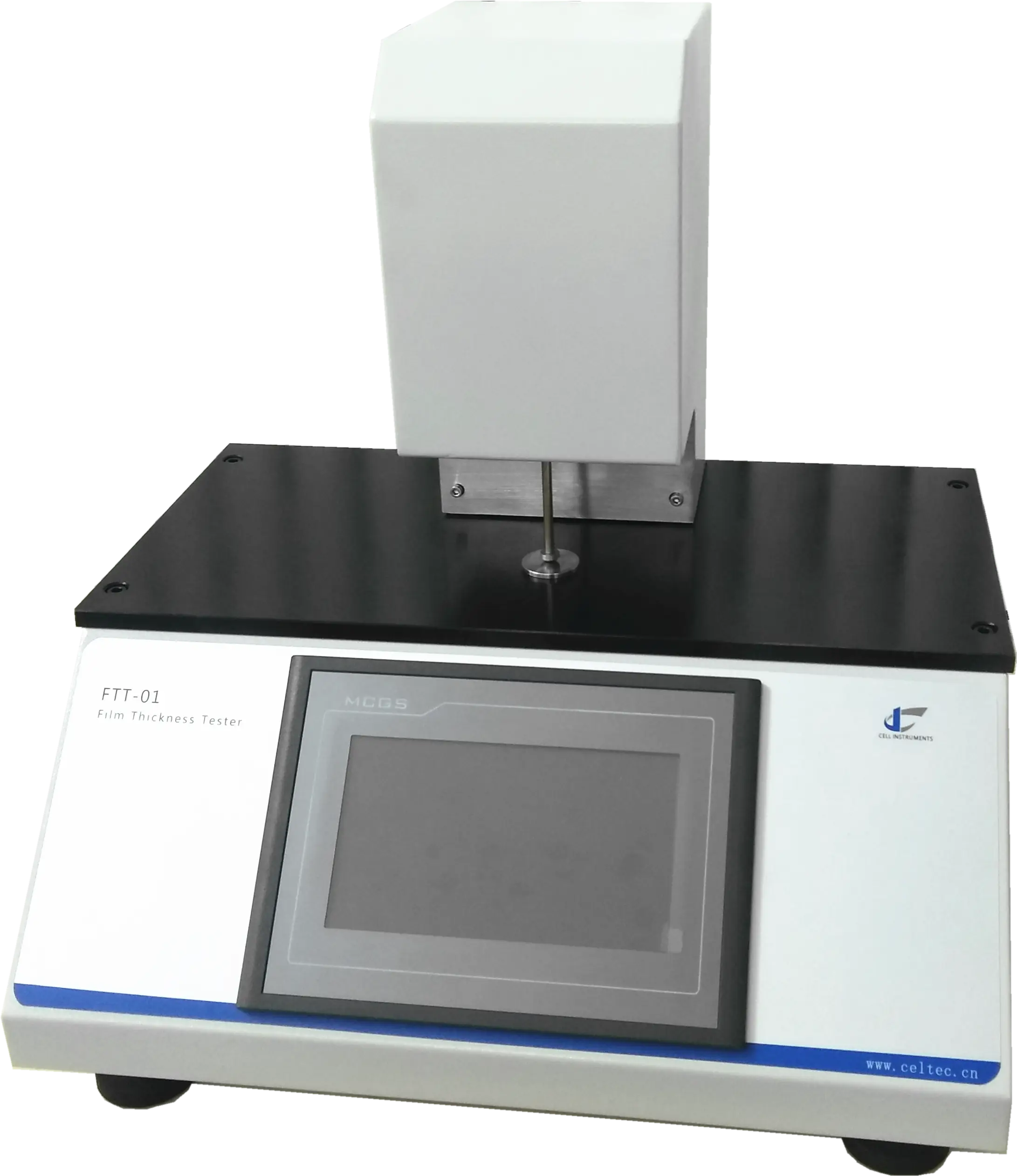
Precision with Cell Instruments FTT-01 Thickness Tester
01
FTT-01 Thickness Tester
Accurate and reliable measurement of fabric thickness is essential for ensuring the quality of textile materials. The Cell Instruments FTT-01 Thickness Tester is a reliable solution for professionals seeking consistent and precise results. Designed specifically for fabric and textile thickness testing, the FTT-01 provides highly accurate readings, making it an ideal tool for industries that require strict quality control.
With its user-friendly interface and automated features, the FTT-01 Thickness Tester ensures that each test is performed under consistent conditions, reducing human error and increasing testing efficiency. Whether for routine testing or quality inspections, this instrument is built to meet the high standards set by ASTM D1777.

ASTM D1777 Testing
ASTM D1777 Testing
ASTM D1777 plays a critical role in the textile industry by providing a standardized method for measuring fabric thickness. Accurate thickness testing helps manufacturers ensure that their materials meet the required specifications for performance, comfort, and durability. From the apparel industry to automotive and medical applications, the fabric thickness testing process is essential for maintaining high-quality products.
For those seeking a precise and efficient solution, Cell Instruments’ FTT-01 Thickness Tester offers an excellent option for accurately measuring fabric thickness. By incorporating this advanced testing equipment, companies can streamline their quality control processes, ensuring their materials meet industry standards and customer expectations.
Frequently Asked Questions about Film Thickness Gauges & Equipment
What is ASTM D1777?
ASTM D1777 is a standard test method used to measure the thickness of textile materials. It provides a standardized approach to assess the thickness of fabrics, including woven, knitted, and coated textiles. The test helps determine important properties like bulk, insulation, and overall durability.
Why is fabric thickness testing important?
Fabric thickness plays a crucial role in determining a material’s performance, such as its warmth, cushioning, and resistance to wear. Accurate thickness testing helps ensure that textiles meet the required specifications for various industries, including apparel, automotive, and medical applications.
What types of fabrics can be tested with ASTM D1777?
ASTM D1777 is applicable to a wide range of textile materials, including woven fabrics, knitted fabrics, coated fabrics, napped fabrics, and layered fabrics. It can be used for both untreated and treated fabrics, making it versatile for different industries.
How is fabric thickness measured in ASTM D1777?
In ASTM D1777, a fabric specimen is placed on a thickness gauge, and a weighted presser foot is lowered onto the sample. The displacement between the base and the presser foot is measured to determine the material’s thickness. The measurement is taken under a specific pressure to ensure accuracy.
How does fabric thickness affect the material's performance?
The thickness of a textile material can influence several performance characteristics, including its bulk (density), warmth, abrasion resistance, and shrinkage properties. Thicker fabrics tend to offer better insulation, while thinner fabrics may be more flexible and breathable.


Get in touch
No. 5577 Gongyebei Rd, Licheng, Jinan, 250109, Shandong, P.R.C.
marketing@celtec.cn
+86 185 6001 3985
 English
  Arabic
  Bulgarian
  Czech
Czech  Danish
  German
  Greek
Greek  Spanish
  Estonian
  Finnish
  French
  Hungarian
  Indonesian
  Italian
  Japanese
  Korean
  Lithuanian
  Latvian
  Norwegian
  Dutch
Dutch  Polish
  Portuguese
  Romanian
  Russian
  Slovak
  Slovenian
  Swedish
  Turkish
  Ukrainian